


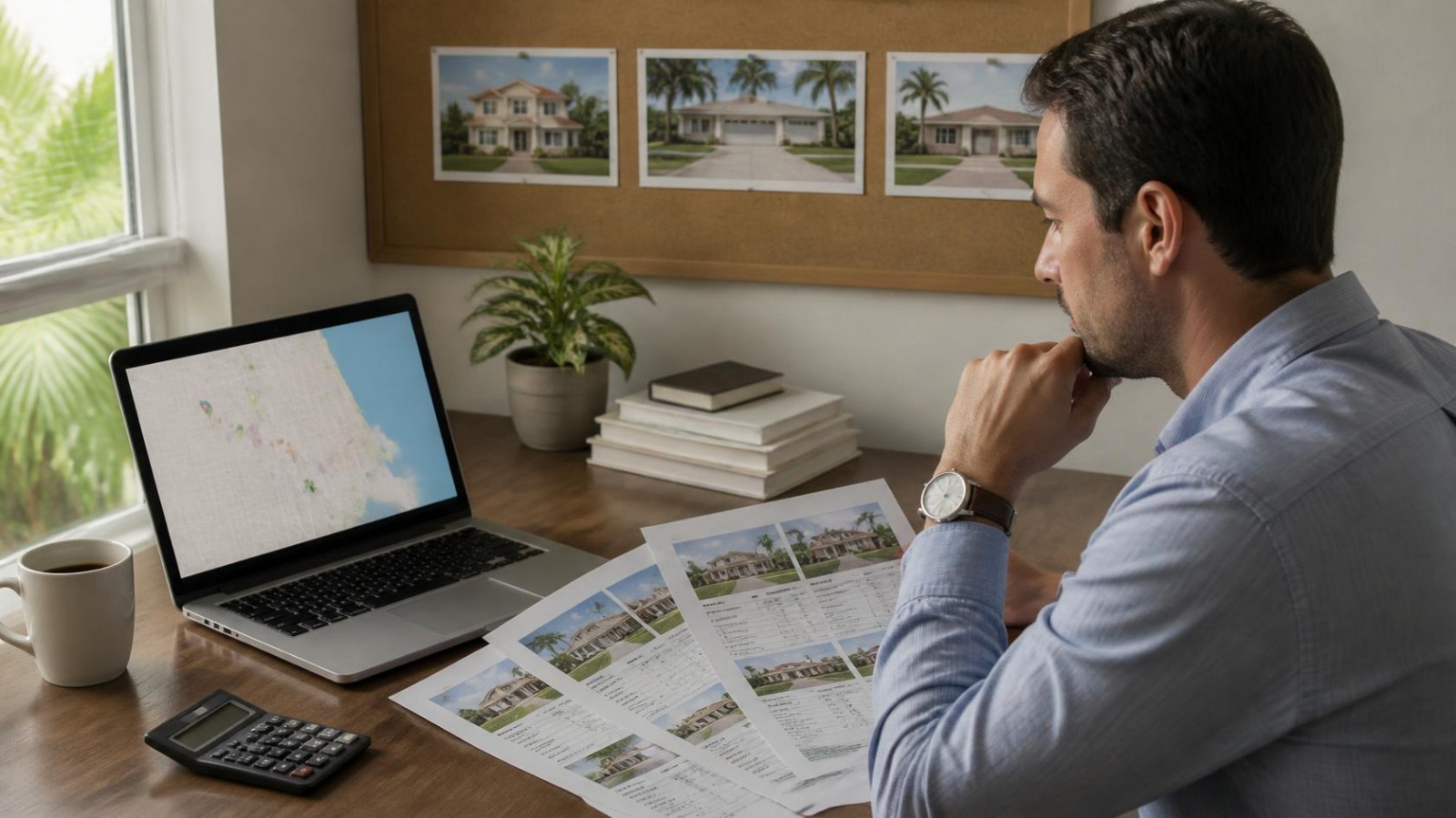
Every fix-and-flip begins with a number that does not exist yet: the price your finished house will sell for. This number is called the after-repair value, or ARV. Get it right and your deal can be profitable. Get it wrong and a promising flip can turn into a break-even project or worse. Many first-time investors overestimate ARV because they hope for the best. Here is how to approach it with discipline.
What ARV Means
ARV is an estimate of what a property would sell for after the planned renovations are complete. It is based on recent sales of similar homes in similar condition and location. It is not what you wish the house would sell for, and it is not the highest sale in the neighborhood. It is a realistic range backed by evidence.
Start With Good Comparable Sales
Comparable sales, or comps, are the foundation. Look for homes that recently sold and match your property in as many ways as possible: similar square footage, bedroom and bathroom count, lot size, age, style, and quality of finish. In general, closer and more recent is better. Many investors look for sales within roughly the last three to six months and within a short distance, but in some areas you may need to expand your search. Where the market is moving quickly, newer comps carry extra weight.
Be especially careful about location. Two streets can be a short distance apart and sell at different levels because of school zones, flood zones, traffic, or nearby amenities. Stay inside the same neighborhood boundaries when possible.
Compare Condition Honestly
A comp that sold fully renovated is more useful than one that sold as-is, if your plan is to renovate. But look at the finish level. A home with custom finishes and high-end materials will sell for more than one with standard updates. Match your planned renovation to the comps you are using. If you plan builder-grade finishes, do not base your ARV on a luxury remodel.
Make Adjustments Carefully
No two homes are identical, so adjustments are normal. A larger lot, a pool, an added bedroom, a garage, or a newer roof can each change value. Appraisers use adjustments to reflect these differences. As an investor, keep your adjustments conservative and reasonable. If you find yourself adding value after value to justify a number, that is a warning sign.
Check Active and Pending Listings Too
Sold comps show where the market was. Active and pending listings show where it is headed and what you will compete against. If several similar homes are sitting unsold, that suggests the market may not support the price you hope for. If homes are going under contract quickly, you may have more room. Look at days on market, price reductions, and the number of competing listings.
Use Ranges, Not a Single Number
Instead of locking onto one value, calculate a low, middle, and high ARV. Run your deal analysis using the low or middle figure, and treat the high number as a bonus. If the deal only works at the very top of the range, it is probably too risky.
Connect ARV to Your Offer
Many investors use a formula such as the 70 percent rule, which suggests paying no more than a certain share of ARV minus repair costs. It is a quick screening tool, not a guarantee. Local market conditions, holding costs, and financing terms can all change the right number. Use the rule as a starting point, then build a detailed budget.
Get a Second Opinion
Talk to a local real estate agent who knows the area, ask a trusted investor to review your comps, or request a broker price opinion. A fresh set of eyes can catch things you missed, such as a nearby development that affects value or a pocket of the neighborhood that sells differently.
Avoid These Common Mistakes
Using a single exceptional sale as your anchor. Counting upgrades that do not add value in your market. Ignoring seasonality. Relying only on online estimates. Forgetting selling costs, such as commissions and closing fees, which come out of your profit.
Practice Makes It Easier
The more you analyze deals, the better your instincts become. Pick a few recently sold flips in your target neighborhood, estimate what the ARV would have been before the renovation, and compare it with the actual sale price. This exercise sharpens your judgment over time.
This article is general education and not financial advice. If you would like help evaluating a property or reviewing an off-market opportunity, Happy Investors Florida is here to help. Call (954) 526-8777 or visit happyinvestorsflorida.com.