


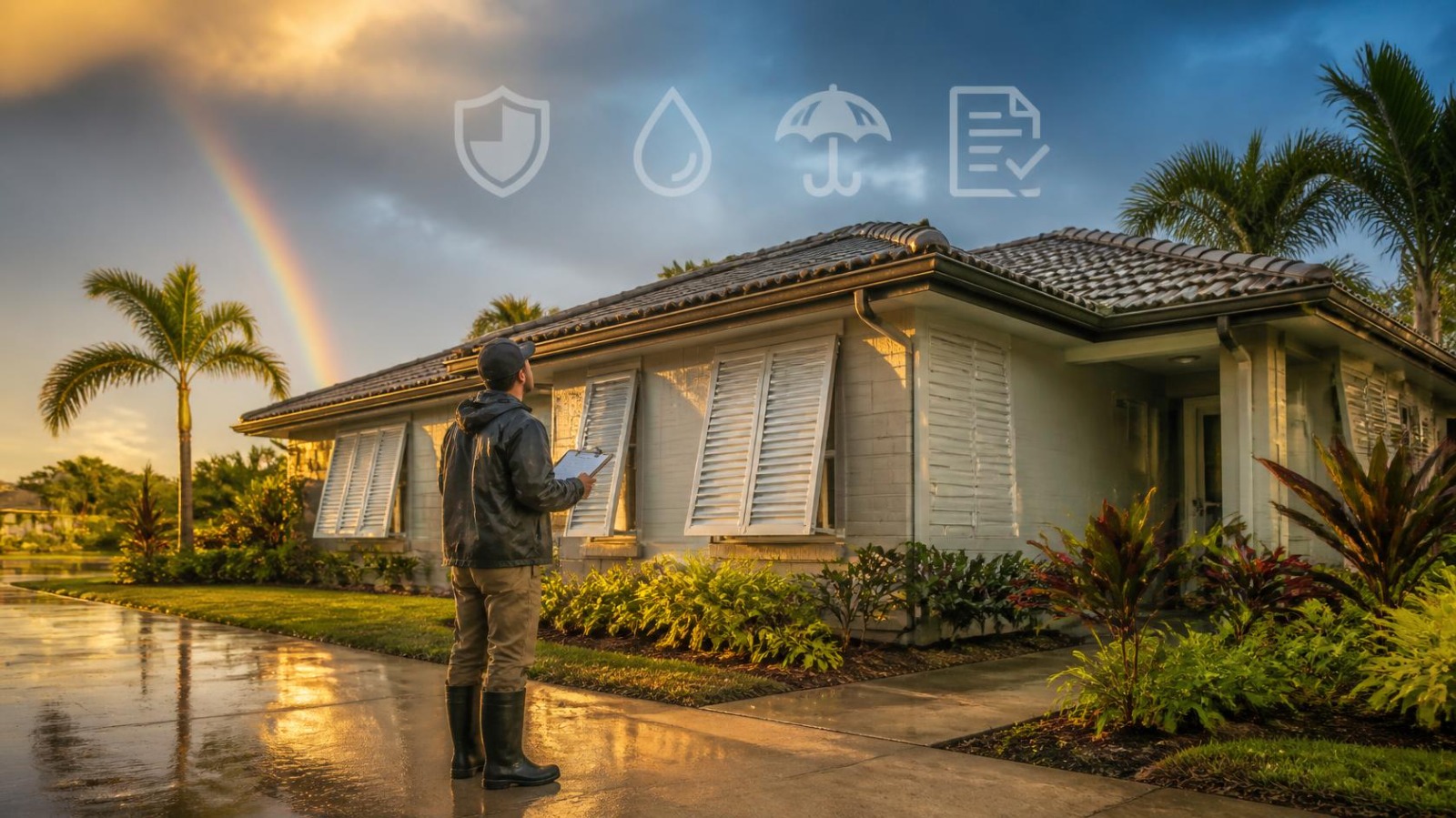
Florida offers appealing opportunities for real estate investors: steady demand, a diverse population, and neighborhoods ranging from starter homes to waterfront properties. But the state also has some costs and rules that can catch newcomers off guard. Understanding them before you buy is the difference between a profitable deal and an unpleasant surprise.
This checklist covers the expenses many investors underestimate.
Insurance: Get Real Quotes Early
Property insurance in Florida can vary widely depending on the home’s age, roof, construction, location, and claims history. Do not use a generic number in your spreadsheet. Before you finalize an offer, contact an insurance agent, share the property details, and request a written quote.
For rental properties, you will likely need a landlord or dwelling policy, which differs from standard homeowners coverage. Ask what it covers, what the deductibles are, especially for windstorm and hurricane claims, and whether the insurer requires specific inspections or upgrades. Also ask about liability coverage, because owning rental property brings exposure that a personal policy might not handle.
Flood Insurance Is a Separate Conversation
Standard property policies generally exclude flood damage. Check the property’s flood zone early, and ask about flood insurance costs whether or not your lender requires it. Heavy rain can cause water intrusion even in areas that are not considered high risk. A slightly lower purchase price can vanish quickly if the property needs expensive flood coverage.
The Roof Is a Financial Decision
A roof often drives both insurance availability and price. Ask for the roof’s age, materials, repair history, and permit records. Some insurers restrict coverage on older roofs, and replacing one can be a major expense. Use your inspection to determine remaining life, and include a realistic replacement budget when you calculate profit. If the roof has only a few years left, negotiate accordingly.
Wind Mitigation and Inspections
A wind mitigation inspection documents features that help a home withstand strong winds, such as roof shape, roof-to-wall attachments, and window protections. Insurers may offer discounts for qualifying features. For older properties, a four-point inspection may be requested to evaluate the roof, electrical, plumbing, and HVAC systems. Budget for these inspections and factor their results into your decision.
Permits, Codes, and Unpermitted Work
Many renovations require permits, and inspectors may need to sign off before the work is considered complete. Unpermitted work can create trouble when you sell or insure the property, and it may result in fines or requirements to redo the work. Before buying, review county records for open permits and code violations. Ask sellers about previous renovations and request documentation.
When planning your own project, confirm which permits you need and build the timeline for approvals into your schedule. Only hire licensed and insured contractors, and verify their credentials through the state.
Property Taxes and Reassessment
Property taxes may change after a sale, because assessed values can be reset when ownership changes. Investment properties do not qualify for the homestead benefits available to owner-occupants, so do not assume the seller’s current tax bill will carry over. Check with the county property appraiser and estimate taxes based on the likely new assessed value.
Association Rules and Fees
If the property is in a homeowners or condominium association, review the rules and finances carefully. Some associations limit or prohibit rentals, require approval for tenants, or set minimum lease terms. Ask about monthly fees, special assessments, reserves, and any pending projects. Recent statewide attention on condominium safety and reserves has made this review even more important for buyers. Request the association’s documents before you commit.
Hurricane Season Planning
Storms can affect timelines, materials, and holding costs. If you are renovating during hurricane season, which runs from June 1 through November 30, plan for delays and protect the property. Secure loose materials, understand your insurance obligations, and keep a plan for vacant properties. Ask your contractor how they handle weather delays and whether the schedule includes cushion.
Vacancy and Maintenance
Empty homes need attention. Lawn care, pest control, air conditioning, and periodic inspections prevent small problems from growing, and humidity can produce mold quickly if a property is closed up. Budget monthly for utilities and maintenance while you hold, and for rentals, include a reserve for turnover and repairs.
Build Your Cost Checklist
Before making an offer, make sure your analysis includes:
- Insurance quotes, including wind and flood if applicable
- Roof age and replacement estimate
- Inspection fees
- Permit costs and timelines
- Property tax estimate after purchase
- Association fees and rules
- Utilities, lawn care, and maintenance
- A contingency reserve
Turn Risk Into Preparation
None of these costs are reasons to avoid Florida. They are reasons to plan carefully. Investors who prepare tend to make better offers, avoid surprises, and keep their projects on schedule. Work with local professionals who understand the market, including agents, inspectors, contractors, insurance agents, and attorneys.
This article is general information and not legal, tax, insurance, or financial advice.
Want to review a deal with a team that knows the Florida market? Contact Happy Investors Florida and let’s talk through the numbers together.