


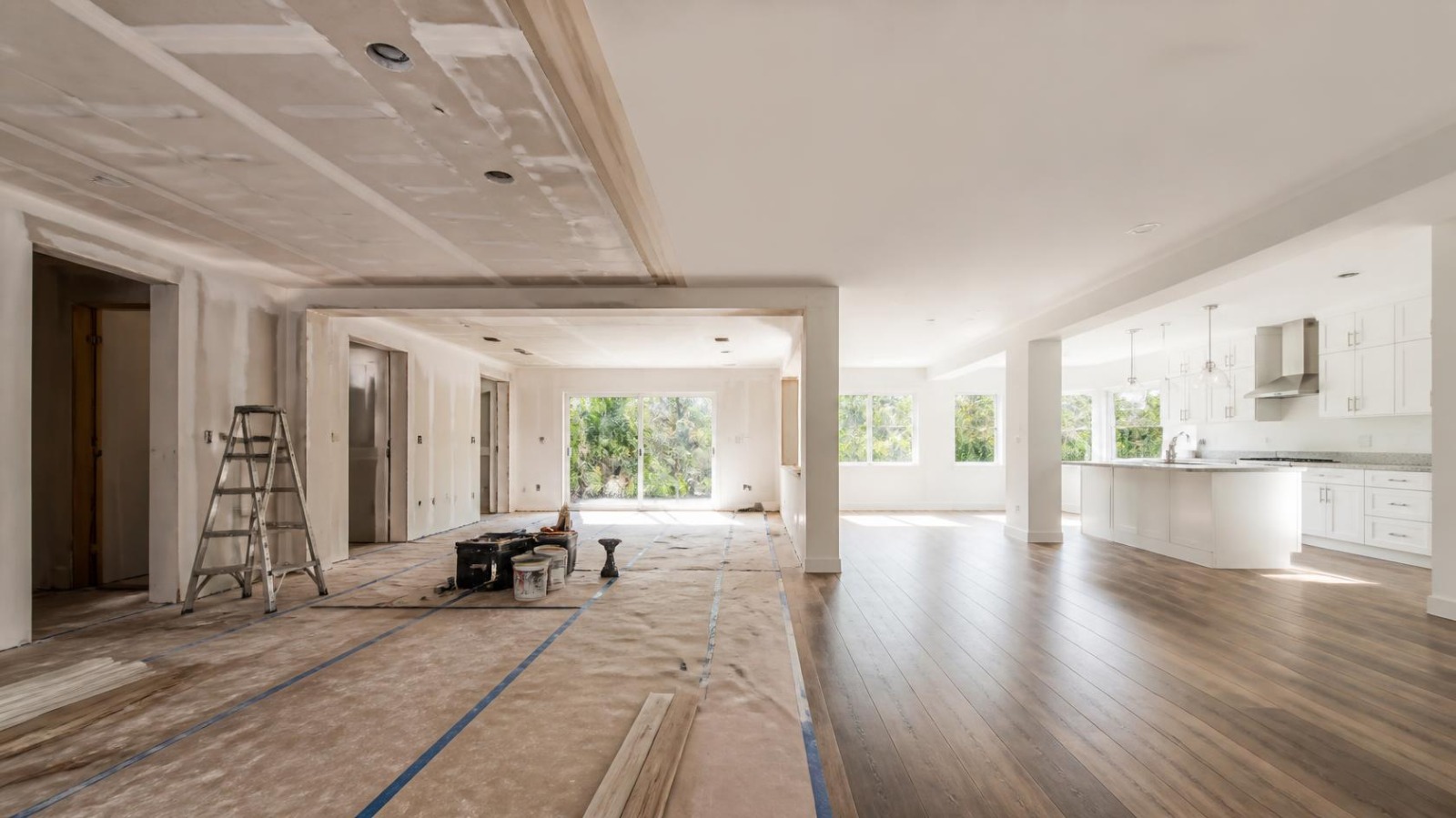
The Margin Rarely Dies at the Purchase
Ask a first-time flipper what went wrong on a project that underperformed, and you’ll usually hear “I paid too much.” Look at the actual spreadsheet and you’ll usually find something else: the purchase was fine, and the budget was fiction.
Flips fail in the middle, in a dozen line items that each seemed small. Here’s where the money actually goes.
1. Holding Costs Are the Silent Killer
Every month you own the property, you pay for it whether work is happening or not: loan interest or hard money payments, property taxes, insurance, utilities, HOA dues, lawn care, and security.
First-timers budget three months and take six. The renovation runs long, then the listing sits through a slow stretch, then a buyer’s financing falls through. Doubling your timeline doesn’t double your project cost — but it does double this category, and this category is pure loss.
- Rule of thumb: Budget holding costs on a conservative timeline and add a safety buffer. If a deal only works with an aggressive 90-day turnaround, it is fundamentally fragile.
2. The Big Systems Nobody Wants to Open
Cosmetic renovation is predictable. Kitchens, baths, flooring, and paint can be quoted tightly and usually come in close.
The overruns come from the systems:
- Roof age & condition: Critical in South Florida. An older roof that “has a few years left” can kill your exit if the retail buyer cannot obtain affordable homeowners insurance.
- Electrical panels: Outdated panels (e.g., Federal Pacific, Zinsco) often require complete service upgrades to meet modern code.
- Plumbing systems: Cast iron drains nearing the end of their lifespan or polybutylene supply lines trigger immediate replumbing costs.
- HVAC units: Undersized or aging AC systems will derail inspection negotiations.
3. Permits and Timeline Risks
Permitting is both a financial expense and a significant schedule hazard:
- Open permits from previous owners: Must be closed before title transfers cleanly or before new work can be permitted.
- Unpermitted square footage: Additions built without municipal approval must either be legalized, brought up to current hurricane codes, or demolished.
- Inspection lead times: City backlogs can stall construction for weeks while holding costs continue to accrue.
4. Florida-Specific Line Items
- Builder’s risk / renovation insurance: Vacant renovation policies cost significantly more than standard homeowner policies.
- Humidity, mold & pests: Unconditioned vacant interiors develop rapid mold and mildew issues in Florida’s humidity. Subterranean termites require dedicated Wood-Destroying Organism (WDO) inspections and treatments.
- Impact glass & hurricane protection: Substantial renovations can trigger local municipal requirements for impact-rated openings or updated hurricane shutters.
5. Scope Creep Is a Budget Decision, Not a Taste Decision
Halfway through, the upgraded countertop starts to feel worth it. Then better fixtures. Then the backyard, since everything else looks good.
Each decision is defensible alone. Together they’re the reason so many flips finish over budget with a property priced above what the neighborhood will actually support.
- The standard: Set your finish level against your comps at the start, and stop there. The market pays for the neighborhood’s expected finish level, not for your preferences.
6. The Costs Waiting at the Finish Line
Plenty of first-time flippers forget that selling costs money too:
- Real estate brokerage commissions.
- Seller-side closing and title settlement fees.
- Florida documentary stamp taxes on the deed.
- Buyer concessions and inspection credit requests.
Together, these consume 7% to 10% of the gross resale price. Calculate your net profit margin with these deductions already built in.
A Budget That Holds Up
Build your project financials in five distinct buckets:
- Purchase Price: Acquisition, upfront loan fees, and closing costs.
- Renovation Scope: Materials, contractor labor, and permits.
- Holding Costs: Debt service, taxes, insurance, utilities, and maintenance.
- Selling Costs: Commissions, title, doc stamps, and concessions.
- Contingency: A non-negotiable 10% to 20% cash cushion reserved for unforeseen hidden conditions.
Run the numbers under two scenarios: your expected plan, and a conservative stress test where renovations take longer and the exit price drops. If the stress test is still profitable, you have an actionable deal.
Get a Real Number Before You Commit
Happy Investors Florida offers repair estimating for full projects and individual repairs, plus joint venture options for investors who want a partner on a project. If you’re budgeting a flip right now, a realistic scope from people who do this regularly is worth more than any spreadsheet template.
- Phone: (954) 526-8777
- Email: investments@homefindhelp.com