


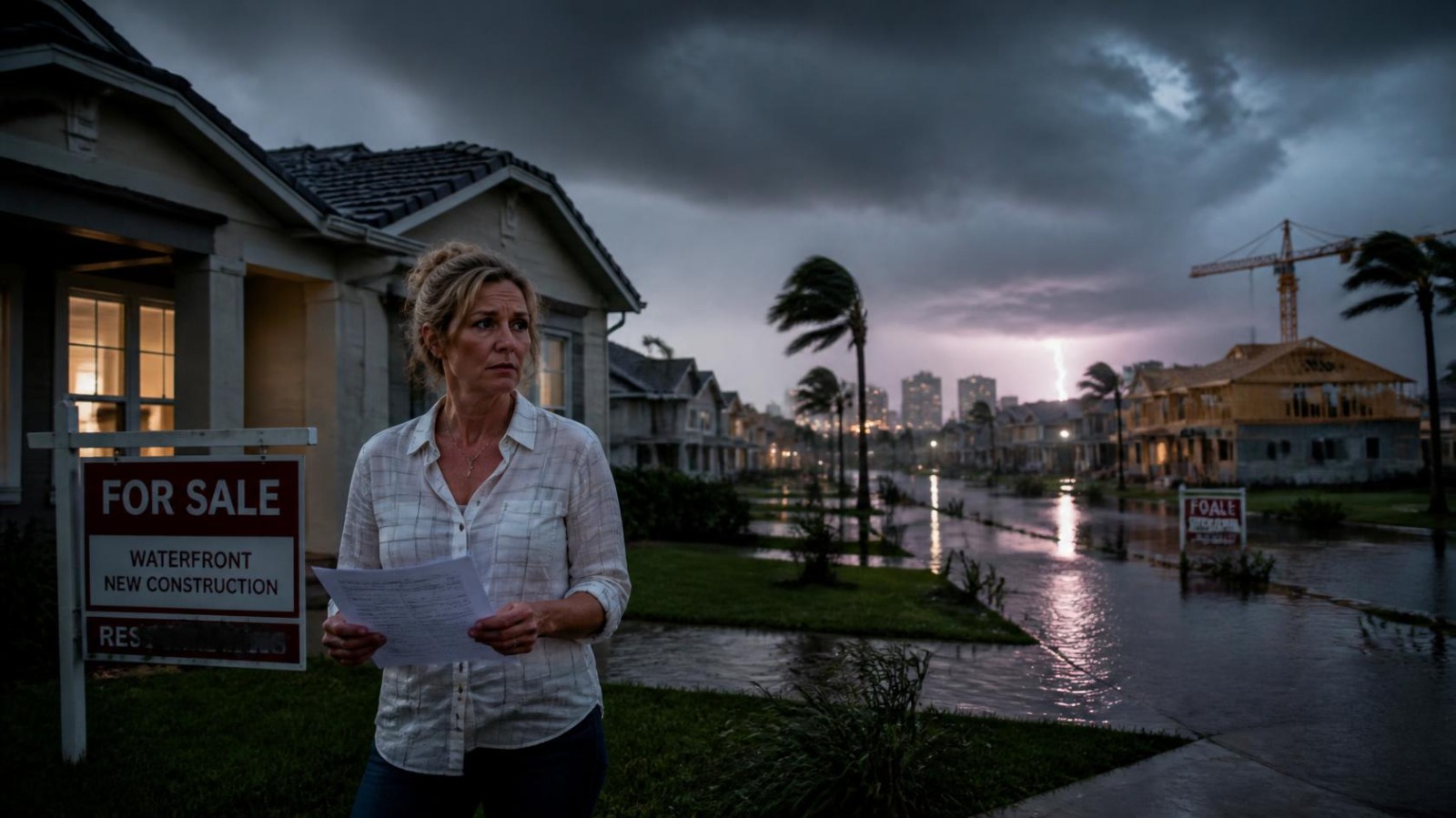
The best opportunities in real estate rarely appear when everything feels safe.
They appear when the market is uncertain, buyers are cautious, and most people are waiting for someone else to make the first move.
That is why 2026 could be an important year for Florida real estate buyers and investors.
The smart question isn’t simply, “Is Florida real estate good or bad?”
The better questions are:
- Where is the population still growing?
- Where are jobs moving?
- Where is infrastructure being built?
- Where can buyers still find value?
- Which cities have room to grow before prices become expensive again?
Based on these factors, four Florida cities stand out: Jacksonville, Ocala, Fort Myers/Cape Coral, and Lakeland.
1. Jacksonville — One of Florida’s Best Value Plays
Jacksonville is one of the most underrated real estate opportunities in Florida.
Unlike some of the state’s more expensive and highly competitive markets, Jacksonville continues to offer relative affordability while benefiting from long-term population and economic growth.
The city also has a major geographic advantage.
Jacksonville is one of the largest U.S. cities by land area, giving it room for continued development and multiple housing submarkets.
Another important factor is employment.
The area continues to attract and expand industries such as logistics, healthcare, and finance.
This creates a stronger foundation for housing demand.
Why Jacksonville Could Work in 2026
The biggest mistake investors can make is treating Jacksonville as one single market.
It isn’t.
Jacksonville contains multiple micro-markets, and some neighborhoods are already expensive while others remain comparatively affordable.
That difference creates opportunities for buyers who are willing to research individual neighborhoods rather than simply buying based on the city’s name.
The market can potentially benefit from rental demand, appreciation, and continued population growth.
The key: Jacksonville may reward patient, strategic buyers rather than short-term speculators.
2. Ocala — Affordable Growth Without the Hype
Ocala is another city attracting increasing attention.
The transformation is noticeable.
Areas that once felt relatively quiet are developing more restaurants, businesses, housing, and infrastructure.
Ocala’s location is one of its biggest advantages.
It sits between several major Florida metropolitan areas, providing access to larger cities while maintaining a more affordable environment.
Why Ocala Could Work in 2026
The city’s growth is being supported by several types of buyers.
Retirees are moving into the area.
Remote workers are looking for alternatives to expensive metropolitan markets.
Families relocating north of Orlando are also contributing to demand.
At the same time, housing and infrastructure continue to expand.
Ocala doesn’t have the same flashy reputation as Miami or other major Florida destinations.
And that may actually be its advantage.
Markets without excessive hype can provide buyers with more reasonable entry points.
Instead of chasing overnight appreciation, investors can focus on long-term growth and realistic cash flow.
But the opportunity may not remain quiet forever.
As more people discover Ocala, competition could increase.
3. Fort Myers & Cape Coral — Positioning Before Confidence Returns
Fort Myers and Cape Coral deserve a more careful look.
These markets have experienced significant changes, which is exactly why the opportunity requires a long-term perspective.
Real estate markets rarely recover instantly.
They usually rebuild gradually before confidence returns.
Fort Myers and surrounding areas have several factors supporting long-term demand, including lifestyle housing, waterfront properties, infrastructure development, and continued interest from buyers.
The region also attracts people looking for the Florida lifestyle.
Why Fort Myers Could Work in 2026
The key isn’t buying simply because prices have changed.
The key is understanding risk and location.
Buyers need to think beyond short-term price movements and consider the long-term potential of individual properties and neighborhoods.
The area is also seeing continued investment in education, business, and infrastructure.
The transcription highlights the impressive growth of local facilities and institutions, demonstrating how the region is developing beyond traditional retirement and vacation housing.
That development can contribute to the area’s broader appeal.
For 2026 buyers, Fort Myers and Cape Coral may therefore represent a positioning opportunity rather than a quick-flip opportunity.
The strategy is simple:
Buy correctly.
Understand the risks.
Plan for the long term.
Don’t depend on a short-term rebound.
4. Lakeland — The Strategic Middle Ground
Lakeland may be one of the most strategically located cities on this list.
Why?
Because it sits between Tampa and Orlando.
That location alone creates an important advantage.
As both major metropolitan areas become more expensive, buyers naturally begin looking outward for alternatives.
Lakeland can benefit from that spillover.
Why Lakeland Could Work in 2026
The city offers a commuter-friendly location while remaining more affordable than surrounding major metros.
It is also experiencing continued population growth and increasing attention from developers and employers.
This combination creates a potentially strong environment for future housing demand.
Lakeland doesn’t necessarily need to become the next Tampa or Orlando.
It can benefit simply by being close to them.
When buyers are priced out of expensive markets, strategically located surrounding cities often become the next logical choice.
That is Lakeland’s opportunity.
The Bigger Lesson for Florida Buyers
The most important lesson from these four markets is that timing matters.
The best buying opportunities don’t always feel comfortable.
If everyone is confident, prices may already have moved.
If everyone is talking about a city’s booming real estate market, early investors may already have captured much of the opportunity.
Smart buyers look earlier.
They study population growth.
They watch infrastructure.
They follow employment.
They analyze affordability.
And most importantly, they examine individual neighborhoods rather than relying only on citywide headlines.
Final Thoughts
Florida real estate isn’t simply “over” or “booming.”
Different cities and neighborhoods can move in completely different directions.
For 2026, Jacksonville, Ocala, Fort Myers/Cape Coral, and Lakeland stand out in this analysis because they combine elements of value, affordability, location, population growth, infrastructure, and long-term potential.
But there is no perfect market.
The goal isn’t to wait until every risk disappears.
The goal is to understand the risks, identify the opportunities, and make decisions based on facts rather than emotion.
The perfect buying moment never announces itself.
Prepared buyers do.
If you’re considering buying Florida real estate in the next 12 to 24 months, don’t simply ask where everyone else is buying.
Ask a better question:
“Where can I find value before everyone else feels comfortable again?”